

Migration and Inclusion
WHAT IS THE PROBLEM?
In 2020, an estimated 281 million people were living in a country other than their country of birth. Although the number has almost doubled since 1990 and is expected to continue rising, the share of migrants in the global population has increased only slightly (from 2.87 to 3.6 per cent). In 2022, the number of first-time applicants for international protection in the EU increased by 64 per cent, compared to 2021. At the global level, the majority of displaced people are in the Global South, moving within their country’s borders or to neighbouring countries.
Yet, migration is currently one of the main political battlegrounds in Europe, and one that is dominated by the narratives of the (far) right. The criminalisation of the act of migration and the dehumanisation of people on the move, which are widespread in the EU, are underpinned by racist or xenophobic prejudices.
Migration policies in Europe, and agreements concluded with the EU’s neighbouring countries are a grim reflection of this trend, which results in thousands of people dying every year in their attempt to reach Europe (25 000 missing in the Mediterranean since 2015 alone). Those who manage to make it face discriminatory practices and struggle to access the labour market, essential services, and other social rights.
WHAT NEEDS TO BE DONE?
Fundamental rights, including everyone’s right to seek asylum, must be upheld. Any attempts to restrict or create derogations to obligations of EU Member States in this regard should be rejected.
European asylum systems must be reformed and a fair share of the responsibility must be realised. Ukrainians fleeing the war were swiftly granted residence permits, access to the labour market, education and health services, among other social rights. This remarkable demonstration of solidarity should be incorporated into European asylum systems for all refugees and other migrants in need, regardless of race and origin.
We need more regular channels for migration, so that people can safely enter Europe with corresponding rights bestowed upon them. Our international protection systems and practices must adapt to the diversity of causes of displacement, including those caused by the climate crisis.
Inclusion is proven to be most successful when it starts on day one. People on the move should have rapid access to social rights upon arrival, including health, housing, or education, regardless of their status.
We need to change the narratives around migration and listen to the voices of migrants and refugees when developing policies that affect them.

We work with:


Projects:
WHAT IS SOLIDAR DOING?
SOLIDAR cooperate with its members in a dedicated Task Force on Migration to promote a governance of migration that normalises human mobility and is based on fundamental rights and solidarity.
SOLIDAR and its members:
- Call on the EU and Member States to ensure that the right to seek asylum is enshrined in policy and practice, and to carry out the necessary reforms of European asylum systems to achieve a fair sharing of responsibility.
- Support the improvement and development of safe and regular channels of entry for other types of migration.
- Advocate for the long-term inclusion of people in Europe, understood as a process that enables the participation in society of all individuals and social groups, going beyond a purely utilitarian approach and enabling all to reach their full potential, regardless of their status upon arrival.
- Highlight positive experiences and transfer learning to inform policy-making, for example by providing sustainable practices of integration or by improving the inclusion of students with a migrant background in higher education in Europe.
- Provide counter-narratives, giving visibility to the indispensable contribution of all forms of human mobility to social, economic and cultural prosperity.
Latest news
Migration and Inclusion
TYPe of post:
Year publication
Tags
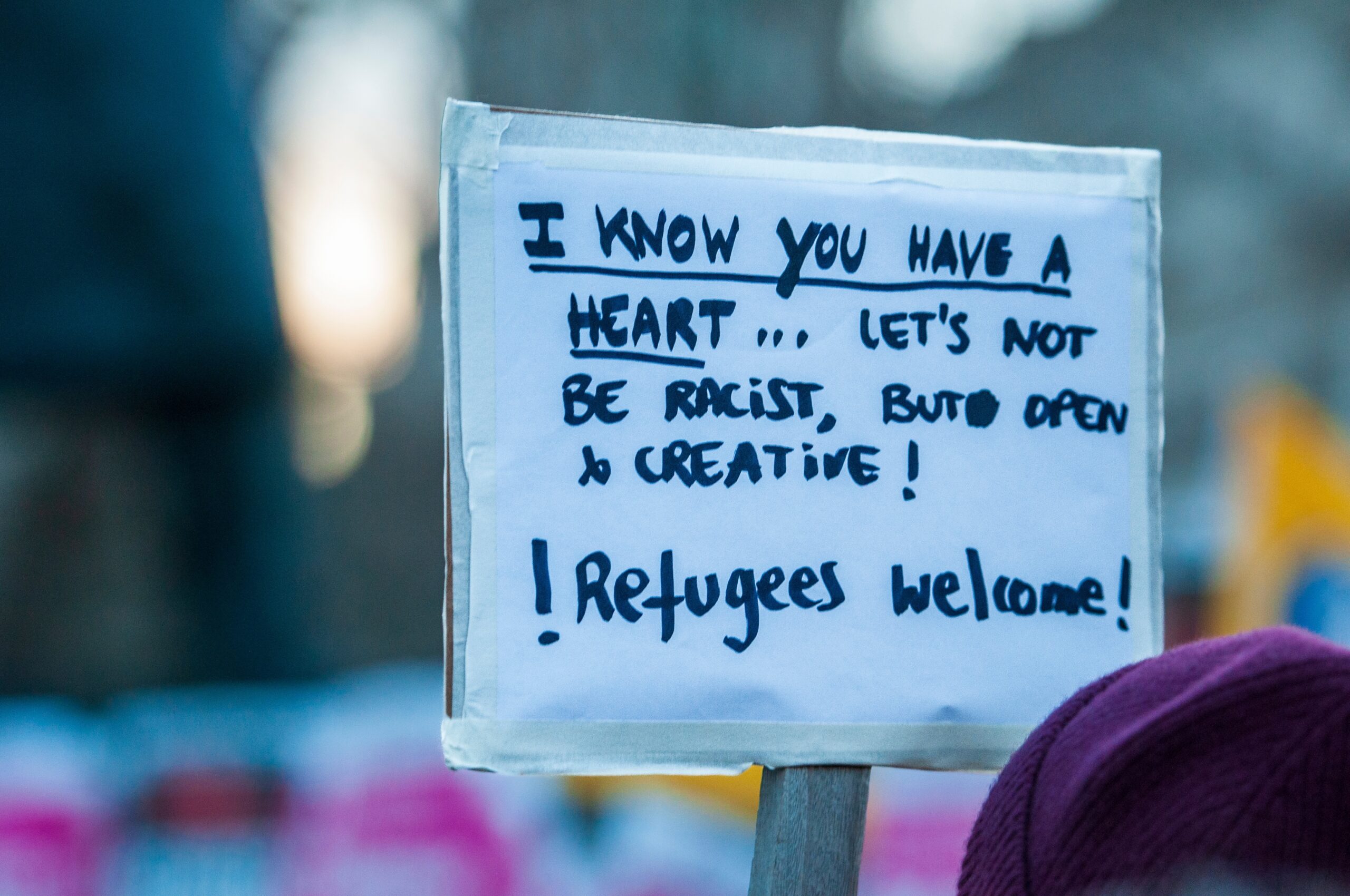
The past week from 17th to 21th April, the European Parliament adopted positions on several important files under the…
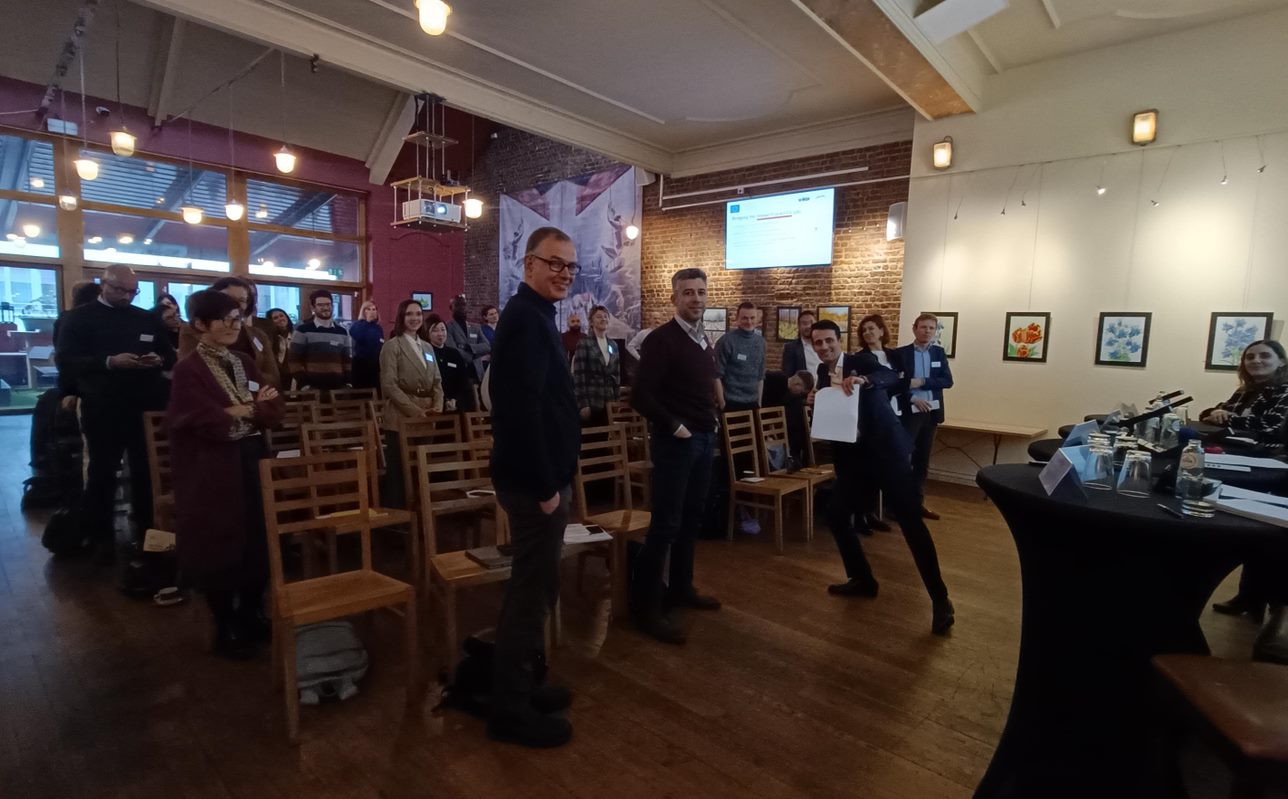
The SPRING Final Conference took place on 31st January in Brussels, Belgium. This event was attended by over 50…
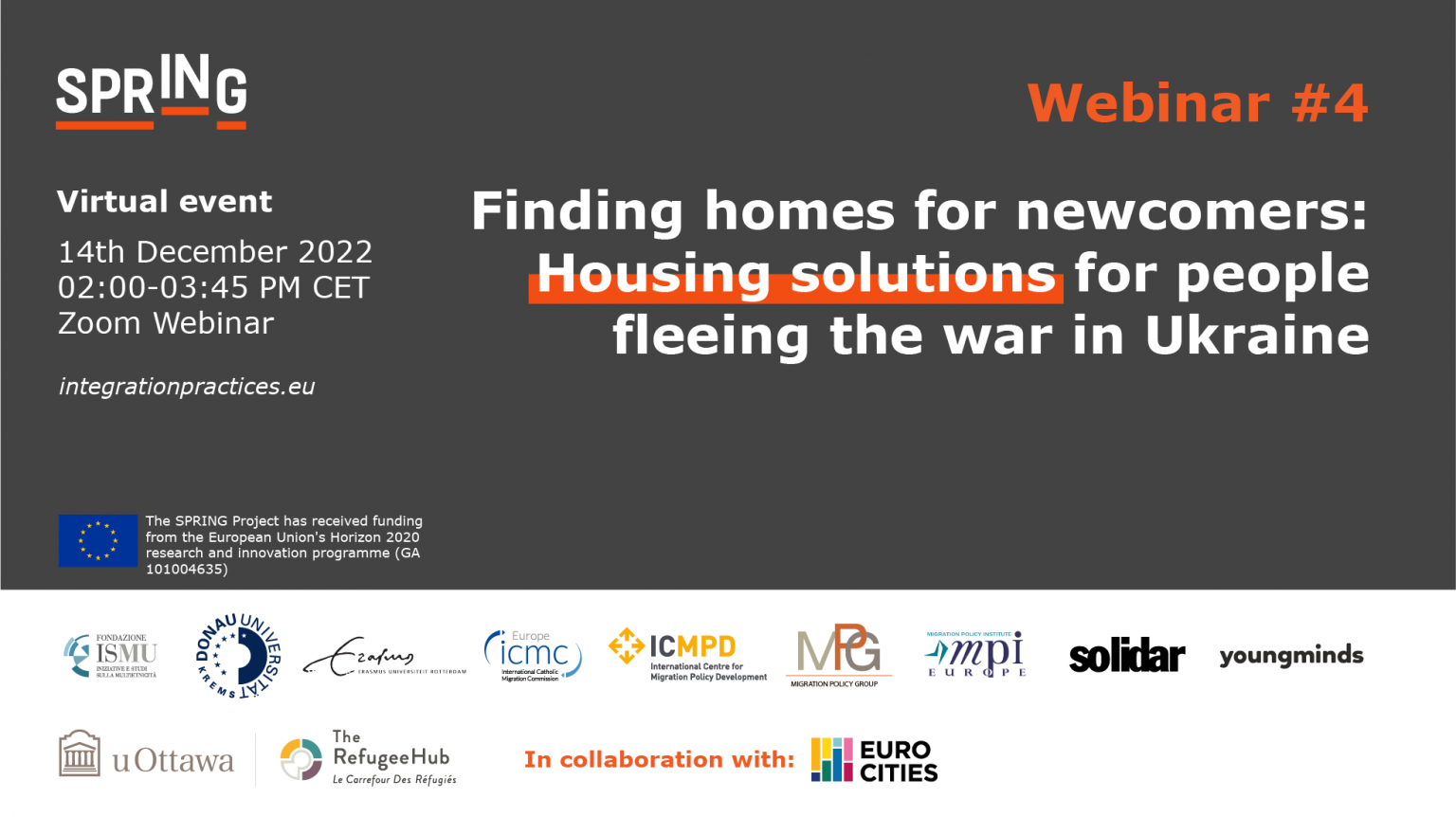
On 14 December 2022 the SprINg project, with the support of ICMPD and SOLIDAR, held a webinar on housing…
Attracting Skills and Talent to the EU – European Commission’s proposal for an EU ”legal” migration policy December 19,…
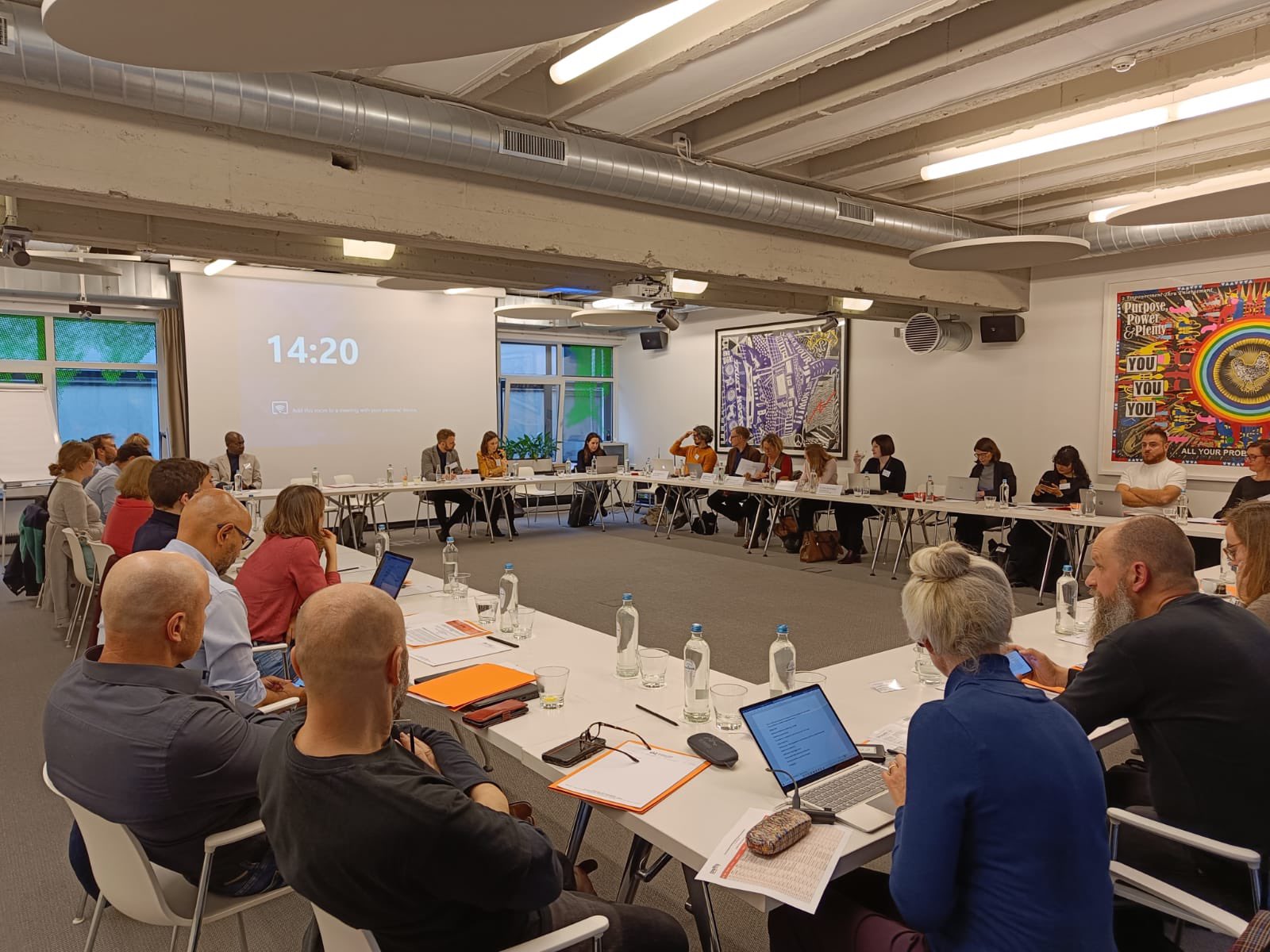
On 17-18 November 2022, SOLIDAR and International Centre for Migration Policy Development (ICMPD) co-organised a workshop for the SPRING…
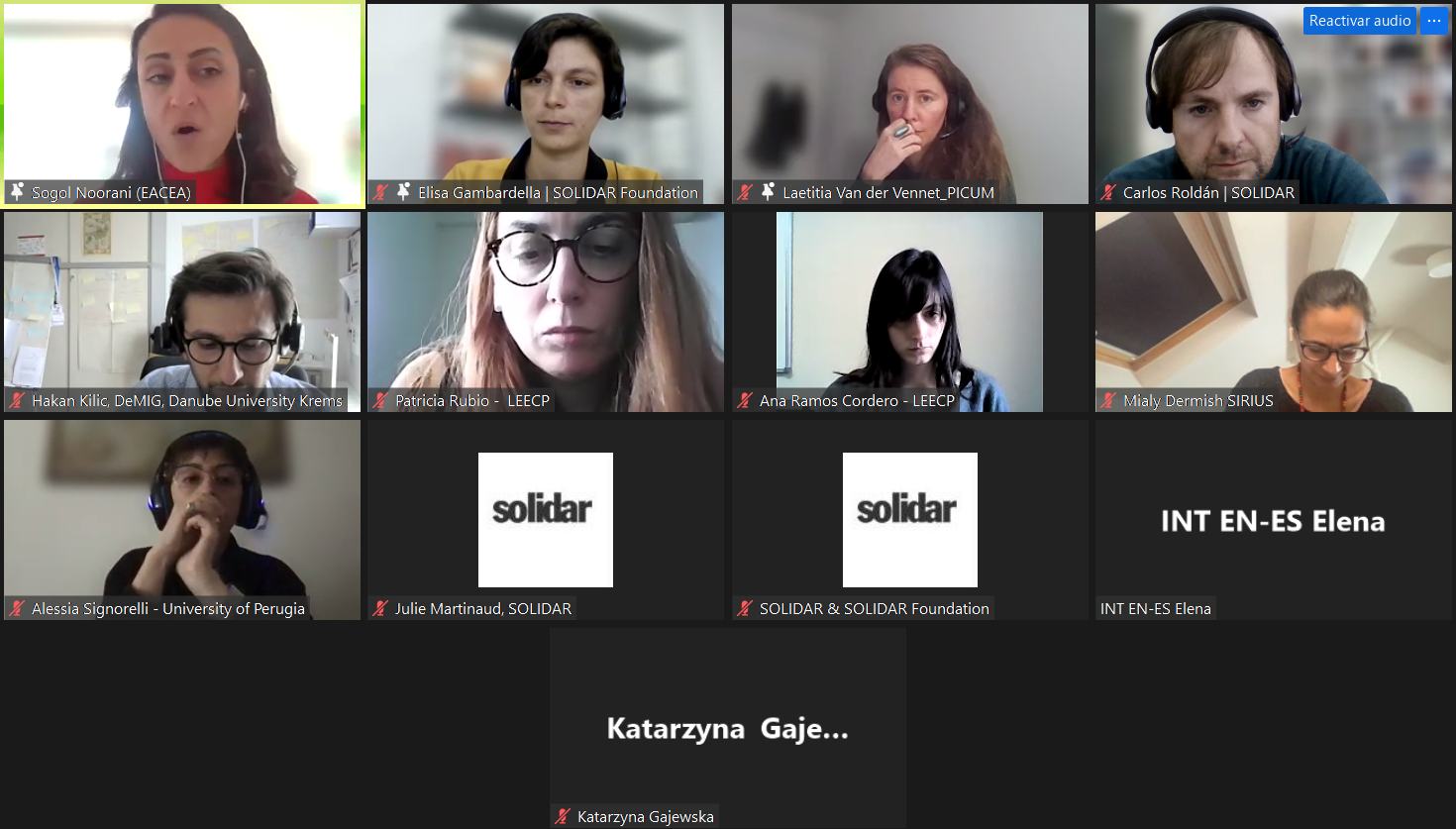
On 27th September 2022, SOLIDAR organized the webinar ‘’Integration of newcomers in and through education’’ within the SPRING project.…
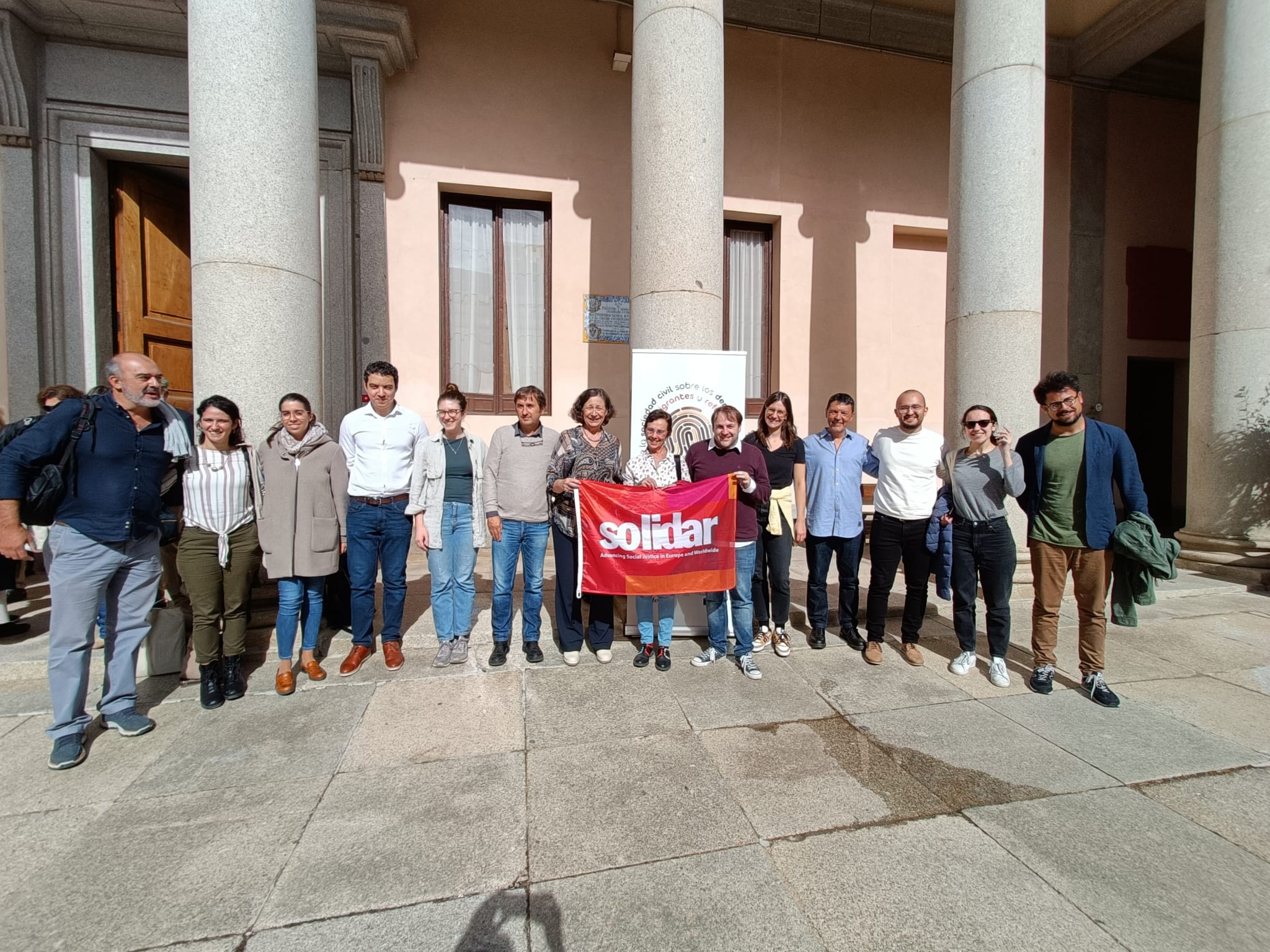
Toledo Diálogos From 20th to 22nd October 2022, the Civil Society’s Dialogue on the Fundamental Rights of Migrants and…
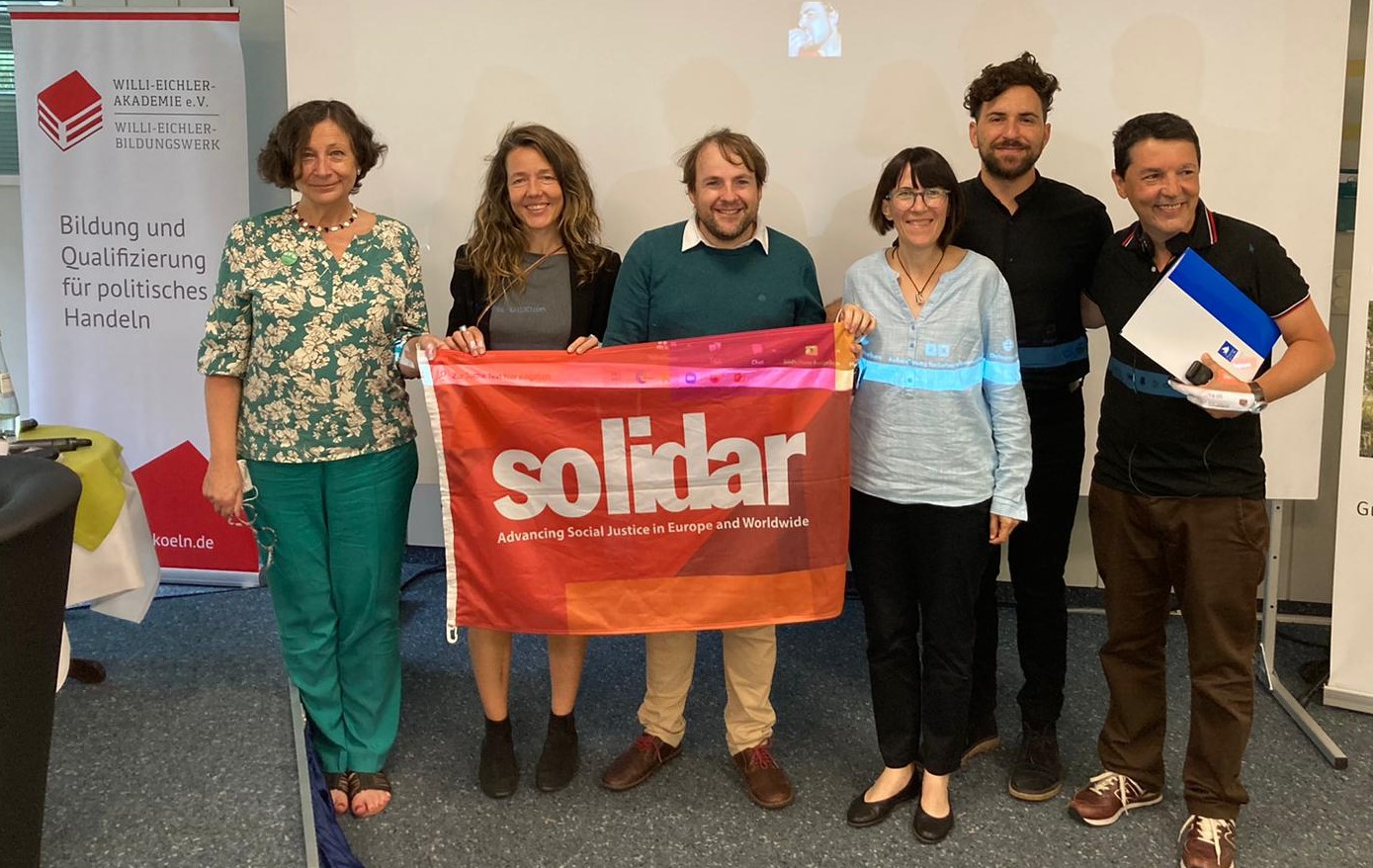
The SOLIDAR network participated in an international migration conference organized by the Willi-Eichler-Akademie eV with the Gustav-Stresemann-Institut (GSI) on…
Under the lead of the French Presidency, political agreements were reached and formal adoptions were passed during the Justice…